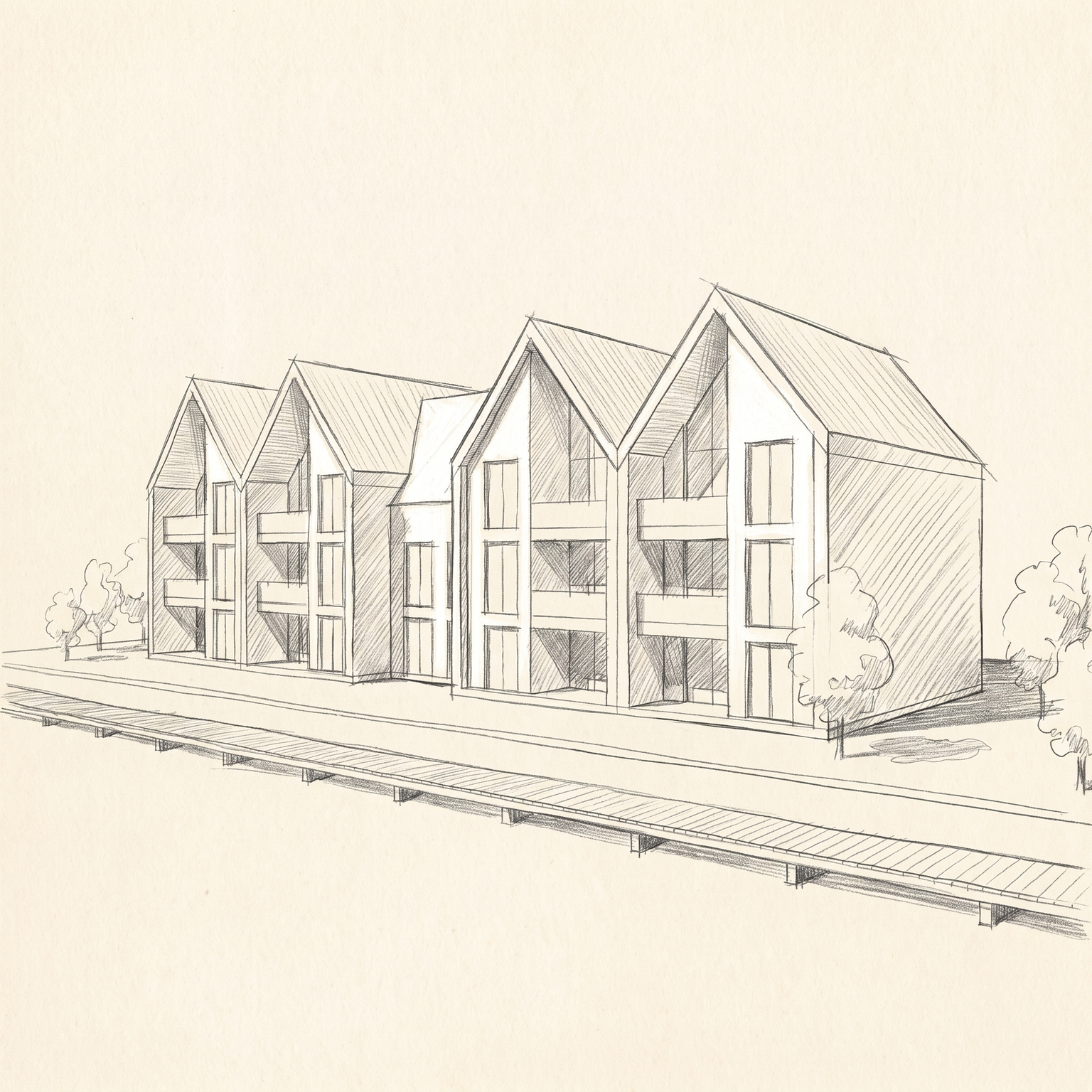
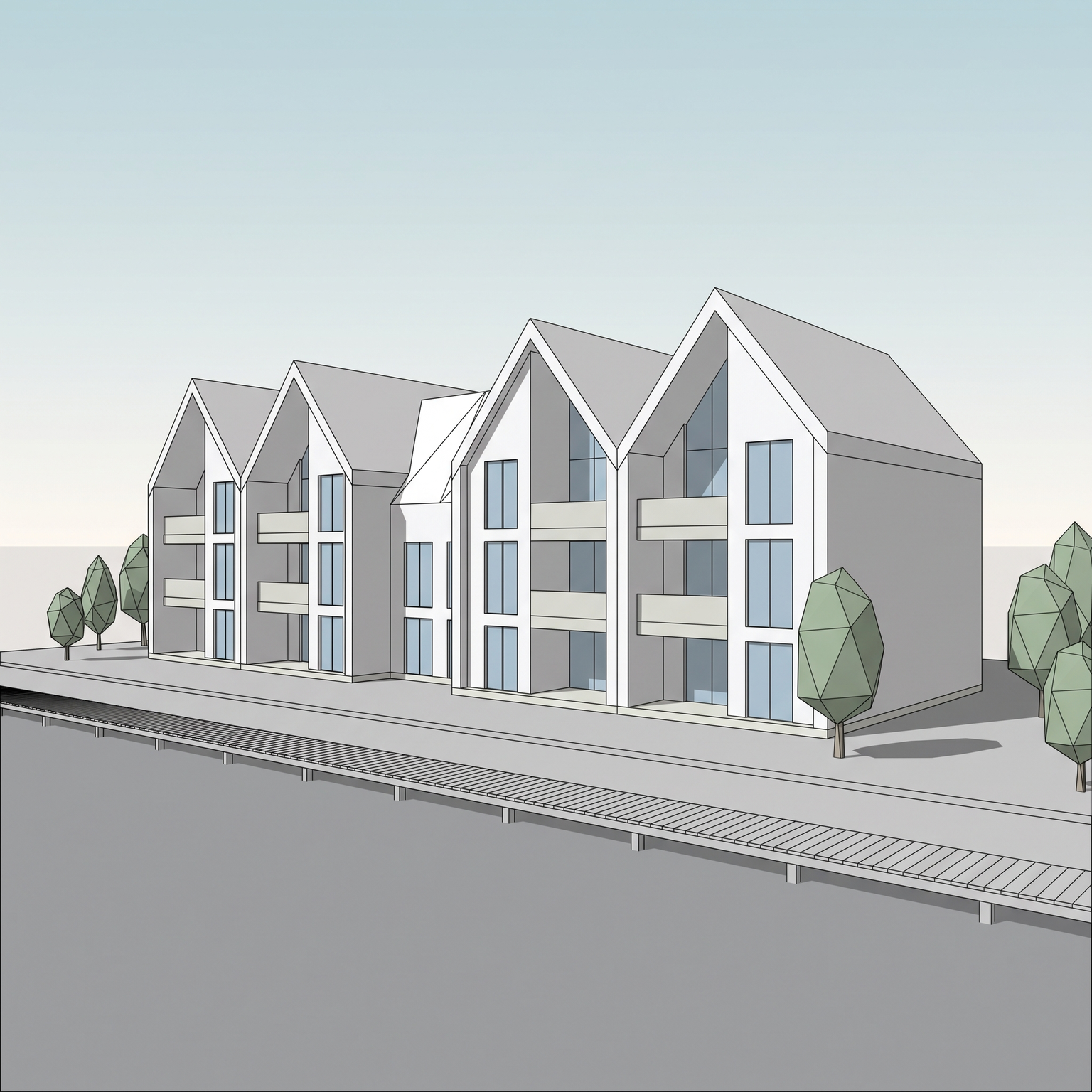
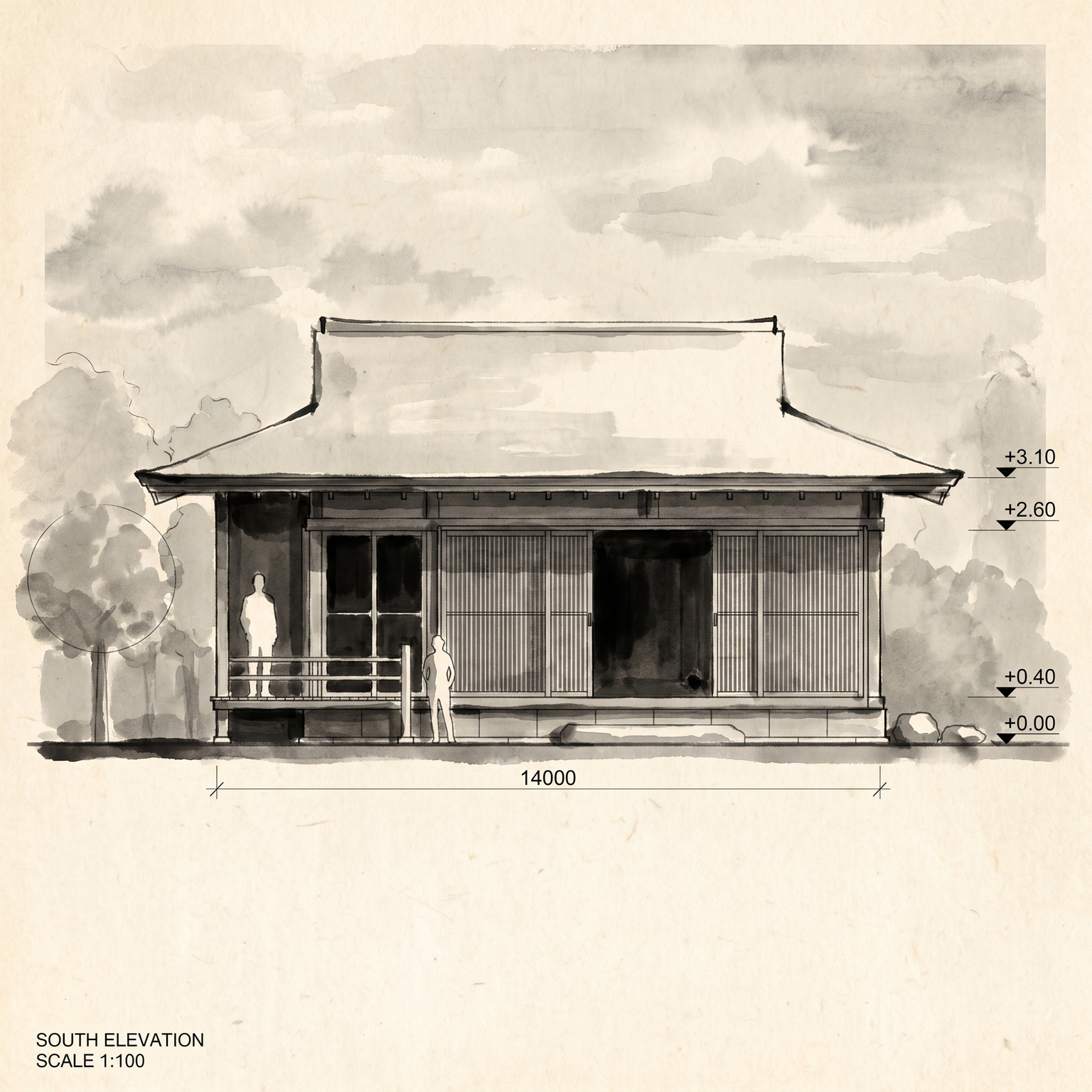
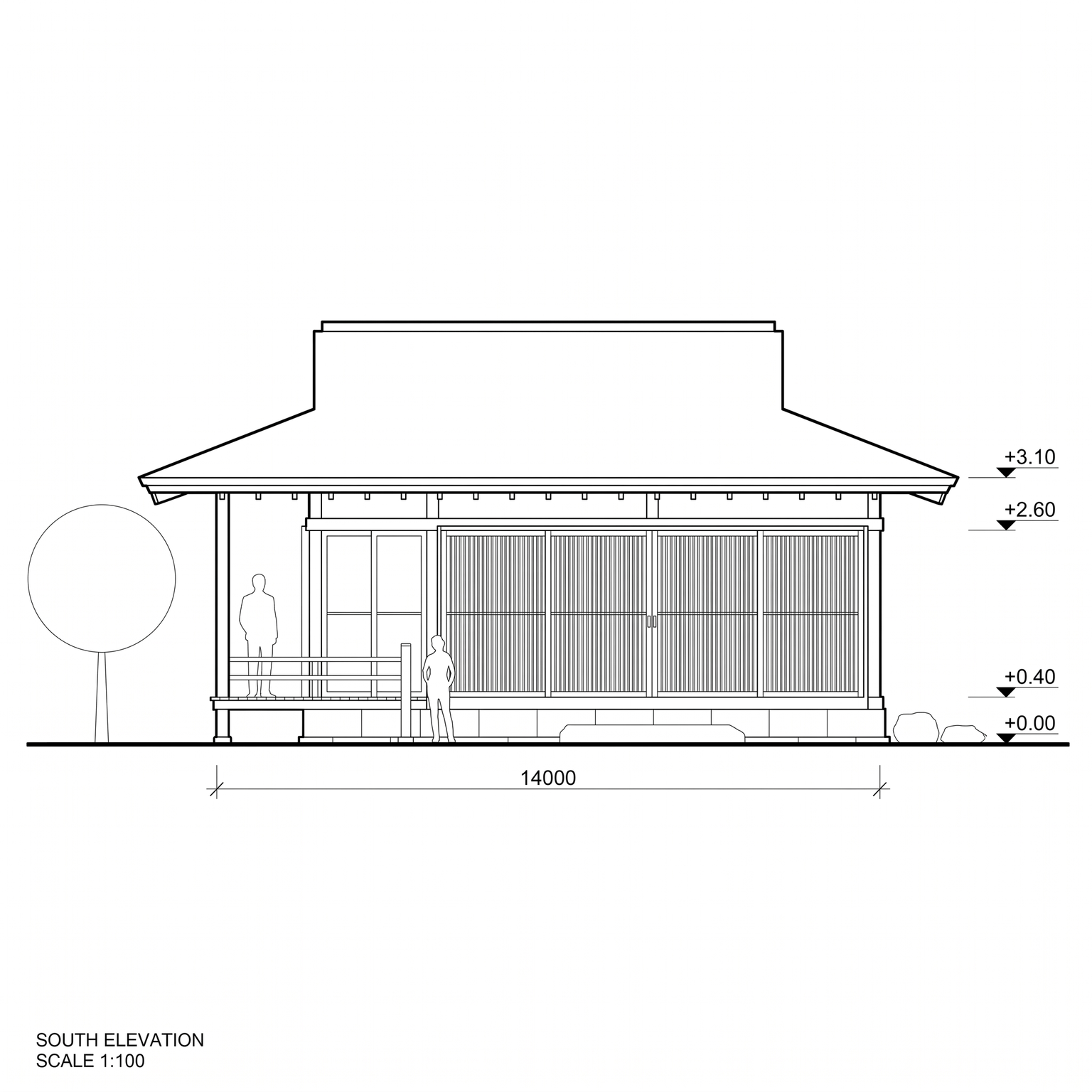
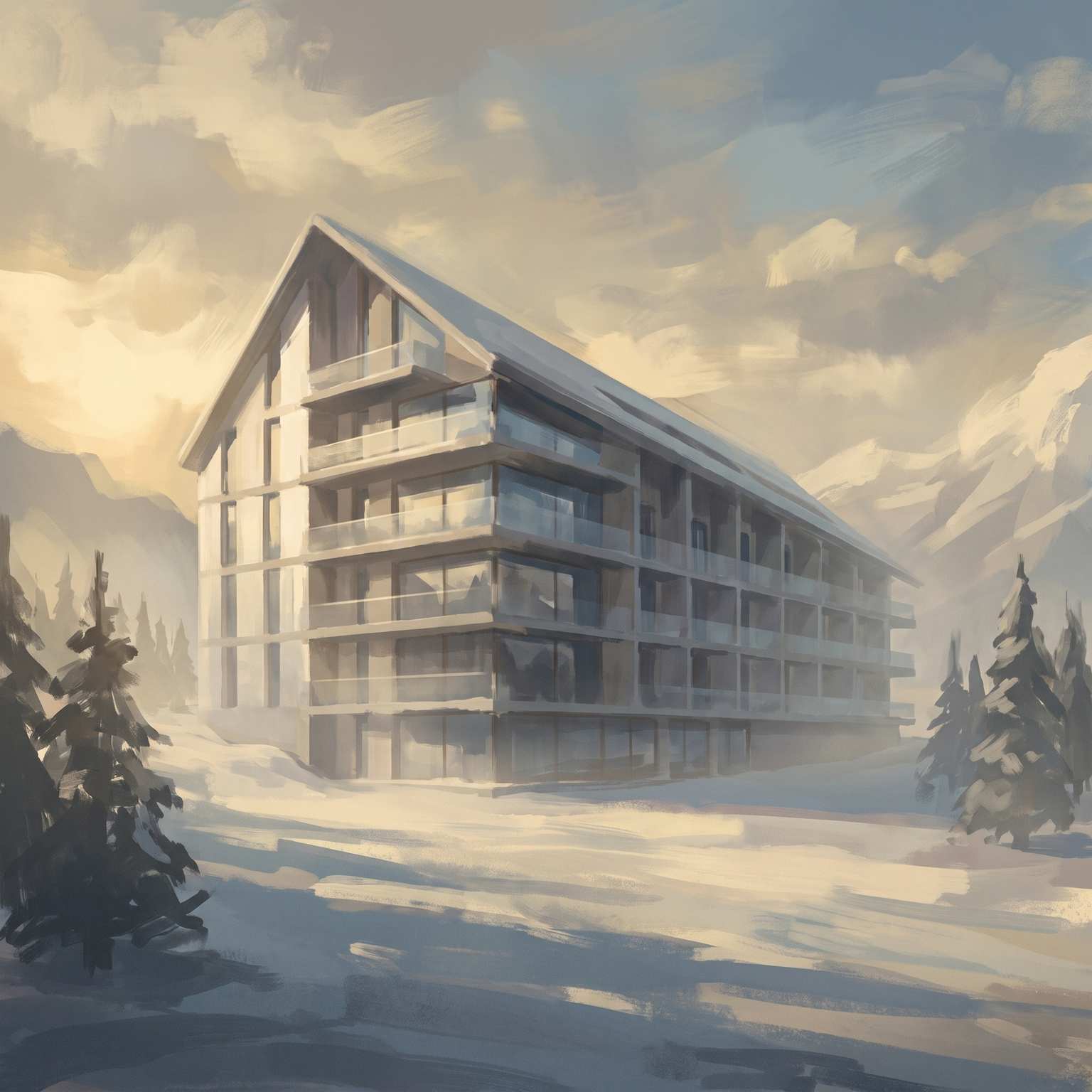
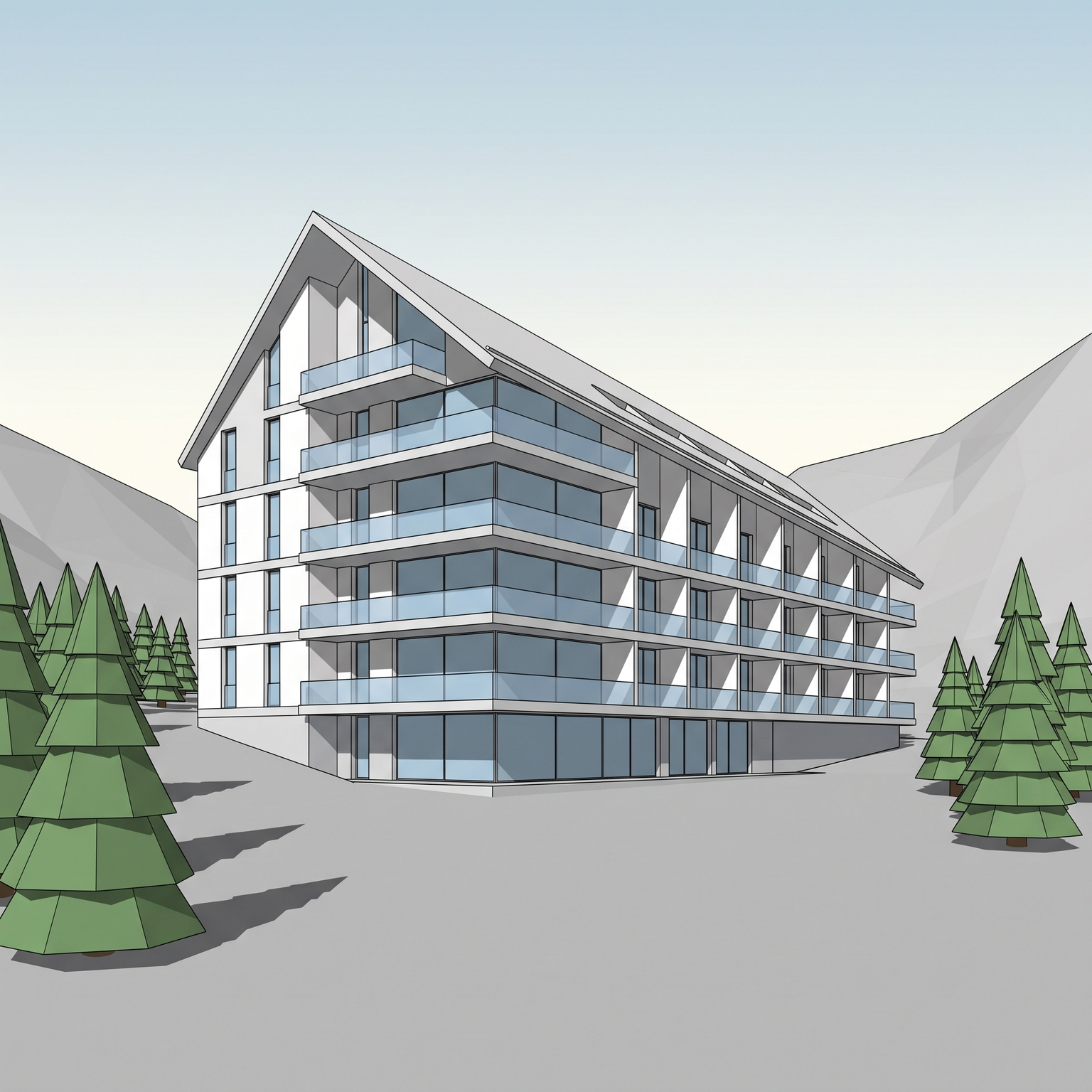
Watercolor
Convert a 3D view into a soft editorial watercolor for concept and competition presentations.
- Free to try
- No plugin
- No credit card
Nano Banana Pro
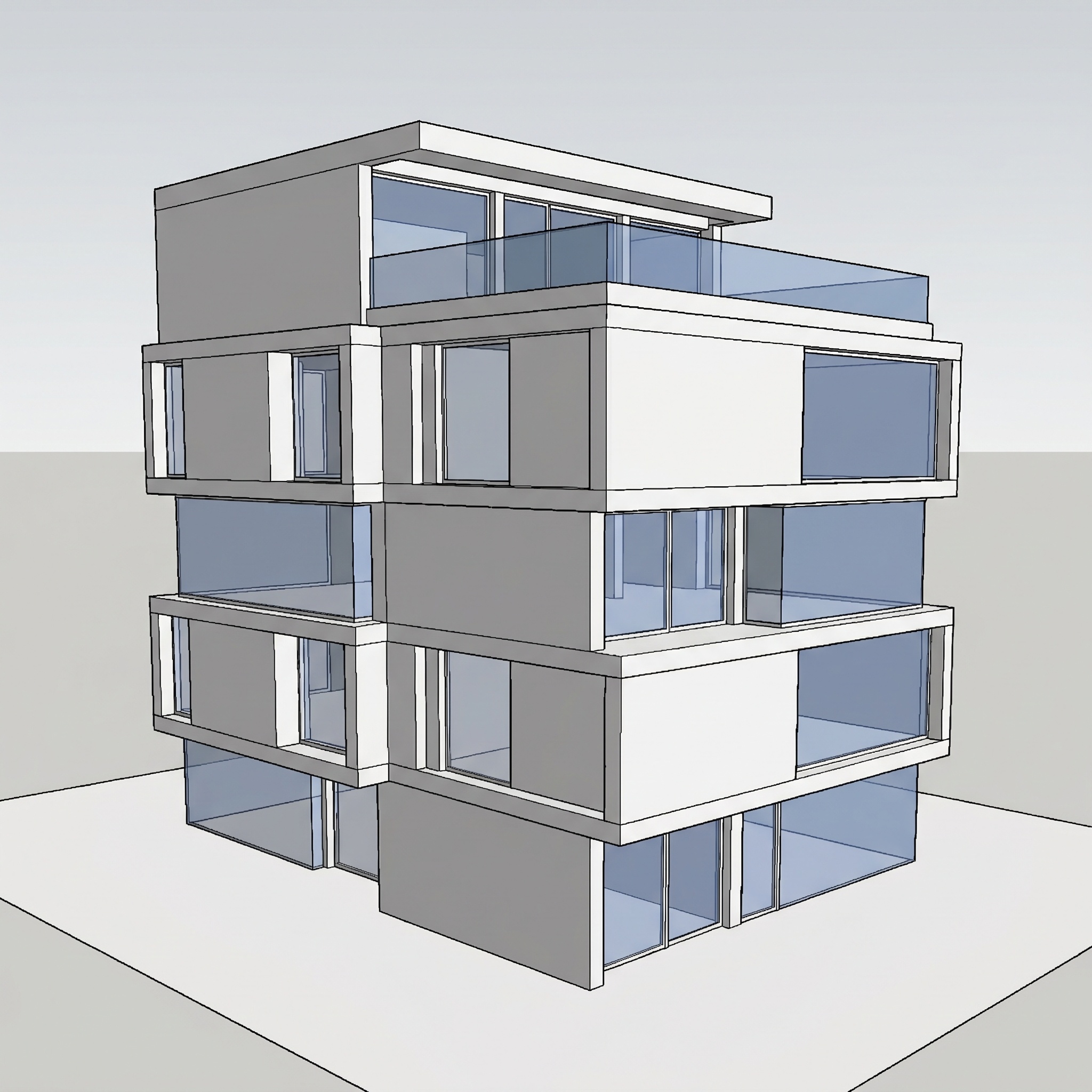
Sample input · click Generate to see the result
About this model
Turns a 3D view of your project into a hand-painted architectural watercolor, the kind of sheet that used to take an illustrator a day. The building's massing, openings and camera angle are kept from your screenshot; everything that reads as CG is repainted. Photoreal textures become flat transparent washes, hard digital edges soften into pigment bleeds, and the sky becomes a wet-in-wet gradient from cool grey-blue to a warmer horizon. The result follows the conventions of restrained competition watercolor: cold-pressed paper grain across the sheet, a faint pencil or fine ink underdrawing showing through the washes, bare white paper for highlights, shadows painted as cool tonal glazes instead of hard cast shadows, vegetation as loose colour masses. The palette stays muted (earth tones, soft blues, warm beiges) so the image sits well next to plans and sections on a board. You can add an optional watercolor reference. The model borrows its palette, wash technique and balance between line and colour without copying its subject. That is how you match a style you already use across a series, or keep several views of the same project consistent. Watercolor rendering with AI is most useful at the stages where a photoreal image says too much: early concept, competition entries, client workshops, a publication spread. It shows intent and atmosphere without fixing every material decision.
When to use it
A small practice is entering an open competition for a lakeside library. The design is still moving and the brief asks for atmosphere more than finish. The team has SketchUp views of the scheme, but photoreal renders would lock materials they have not chosen yet. They screenshot three viewpoints, add a scan of a watercolor they like as the reference, and get three matching sheets in the same palette. The board reads as one hand, and the facade materials stay open for the next stage.
Yes, within limits. Upload the sheet as the watercolor reference: the model takes its palette, wash technique and line-to-colour balance, not its subject. It will not reproduce a specific hand stroke for stroke, and you should only use references you have the right to use.
A plain viewport screenshot is enough. The template keeps only the geometry, the openings and the camera, then repaints materials and light as watercolor, so untextured or half-textured models work well.