Concept Art
Convert a 3D view into atmospheric painterly concept art for pitches.
- Free to try
- No plugin
- No credit card
Nano Banana Pro
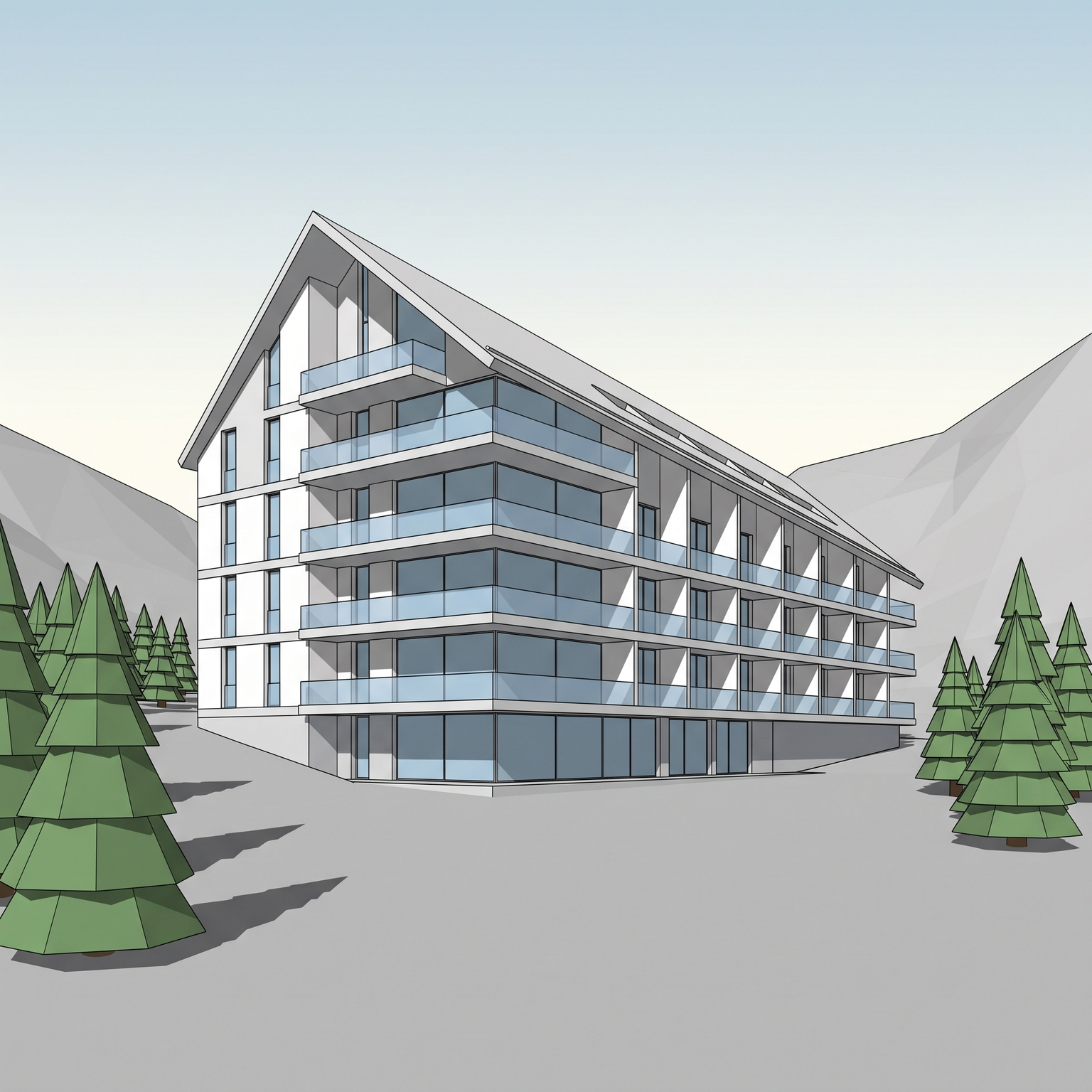
Sample input · click Generate to see the result
About this model
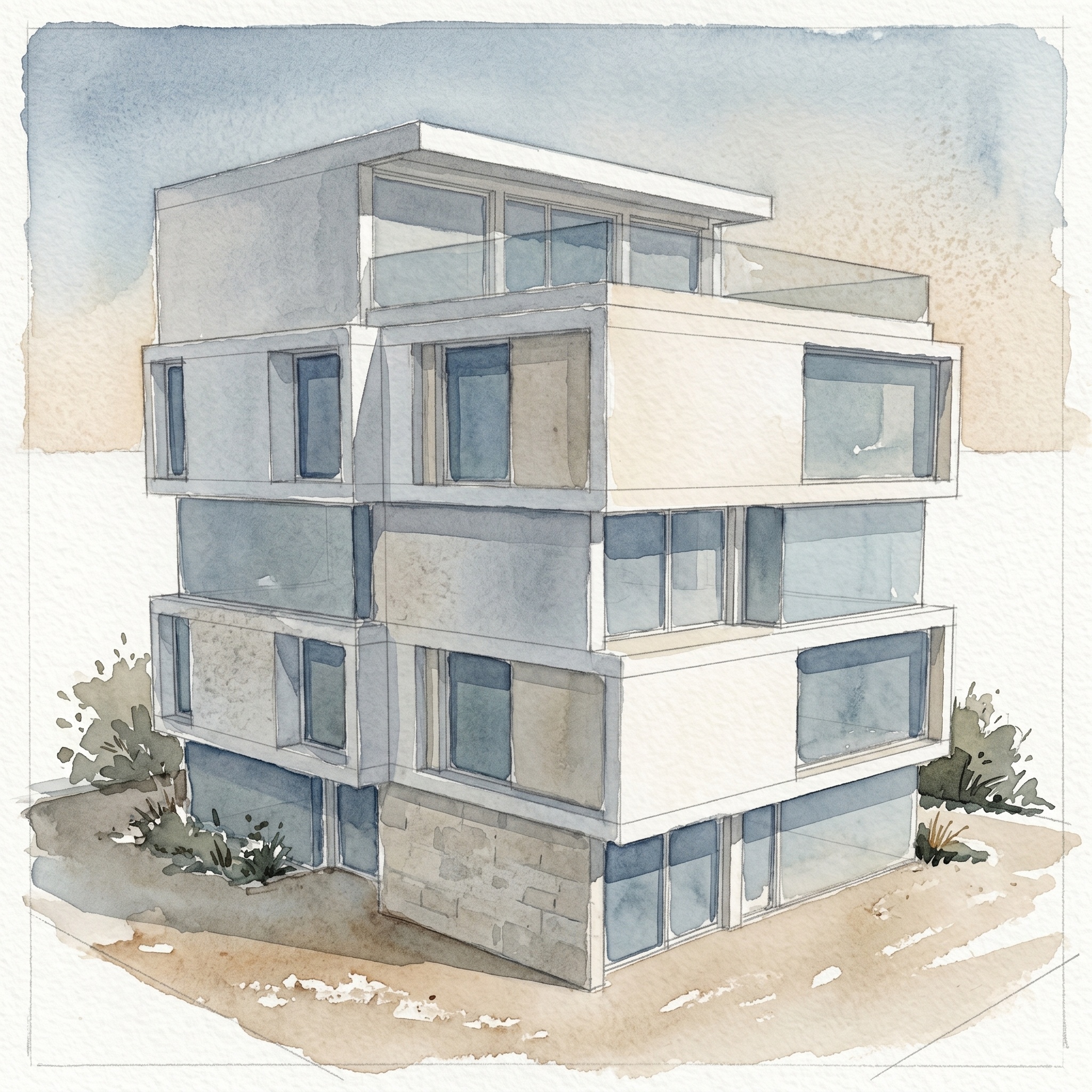
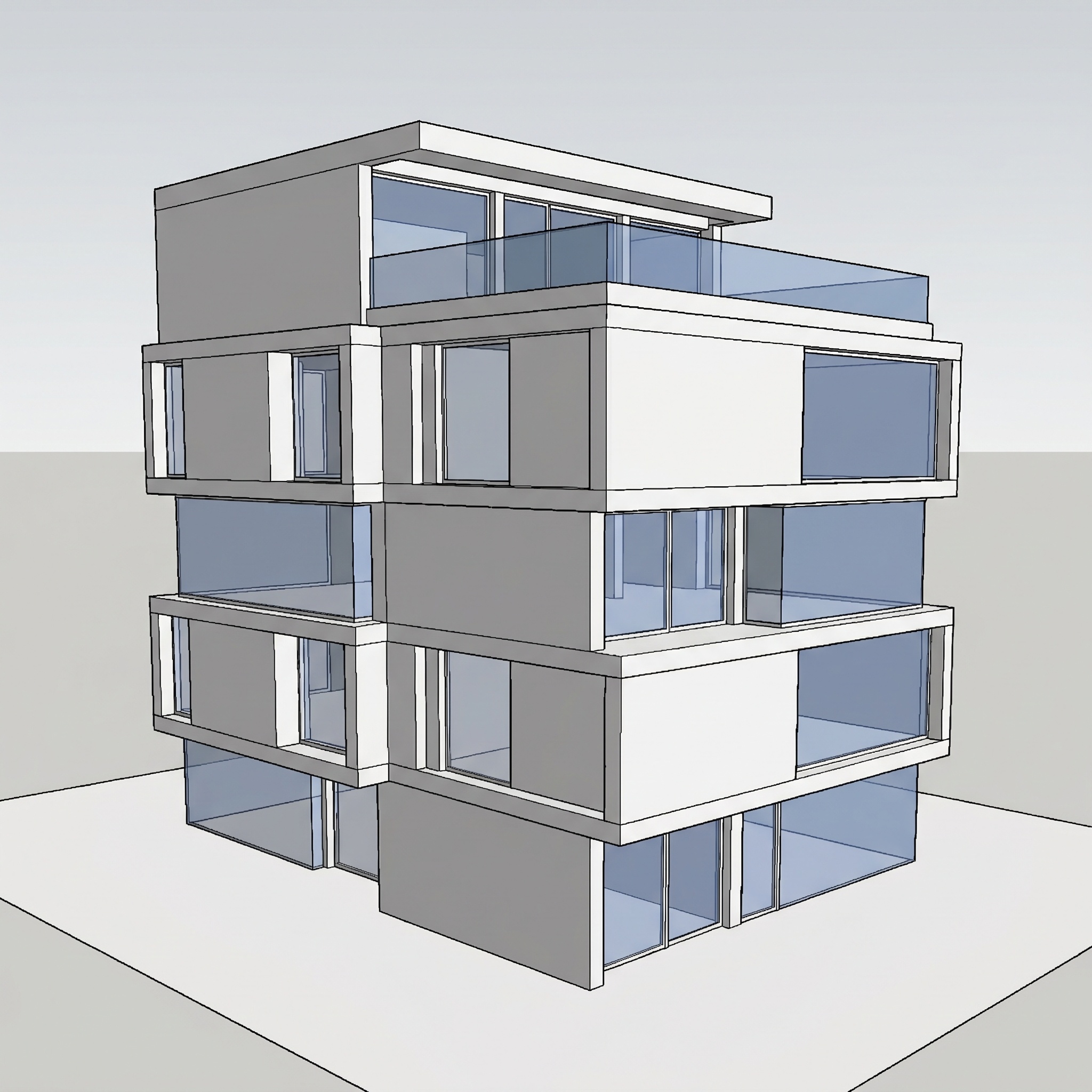
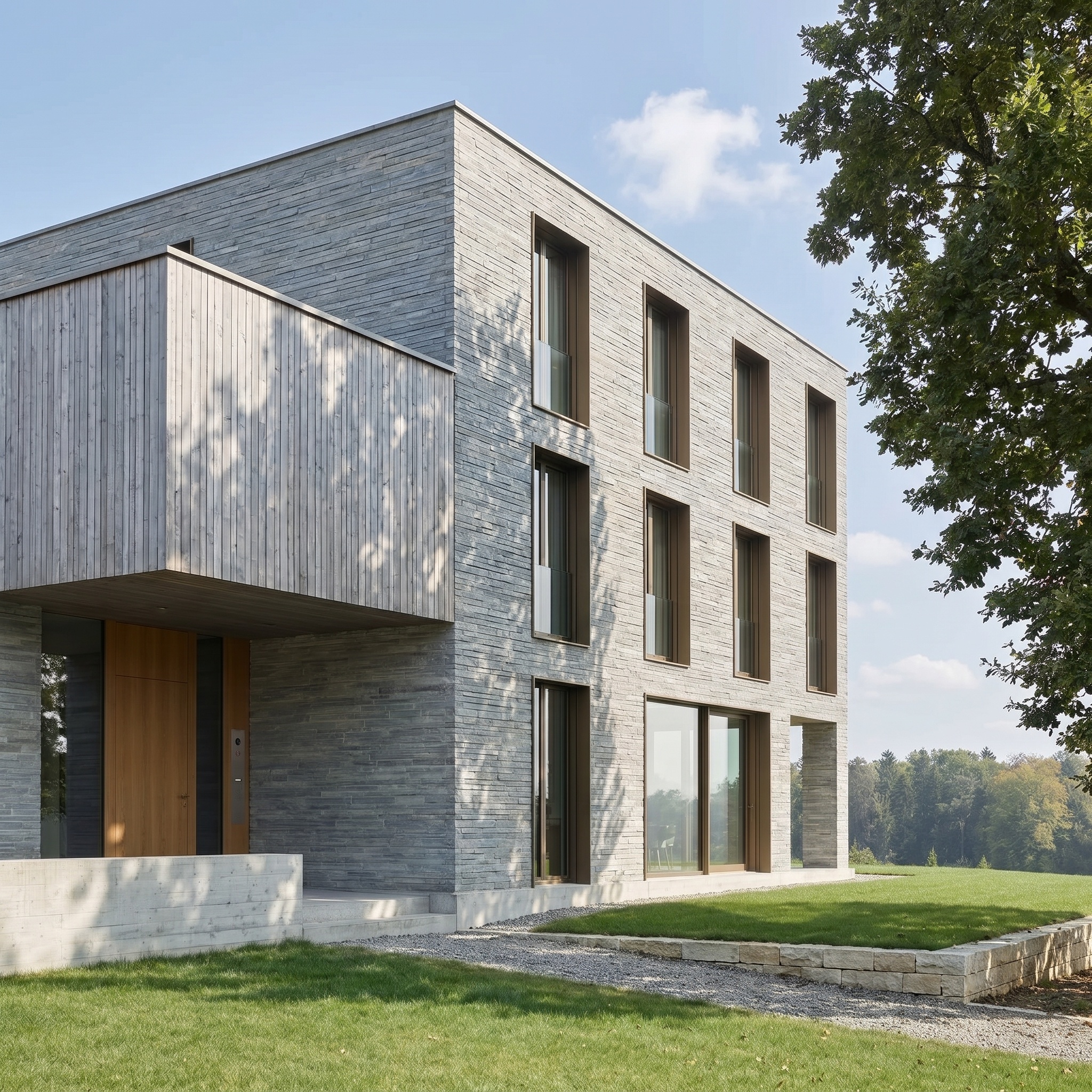
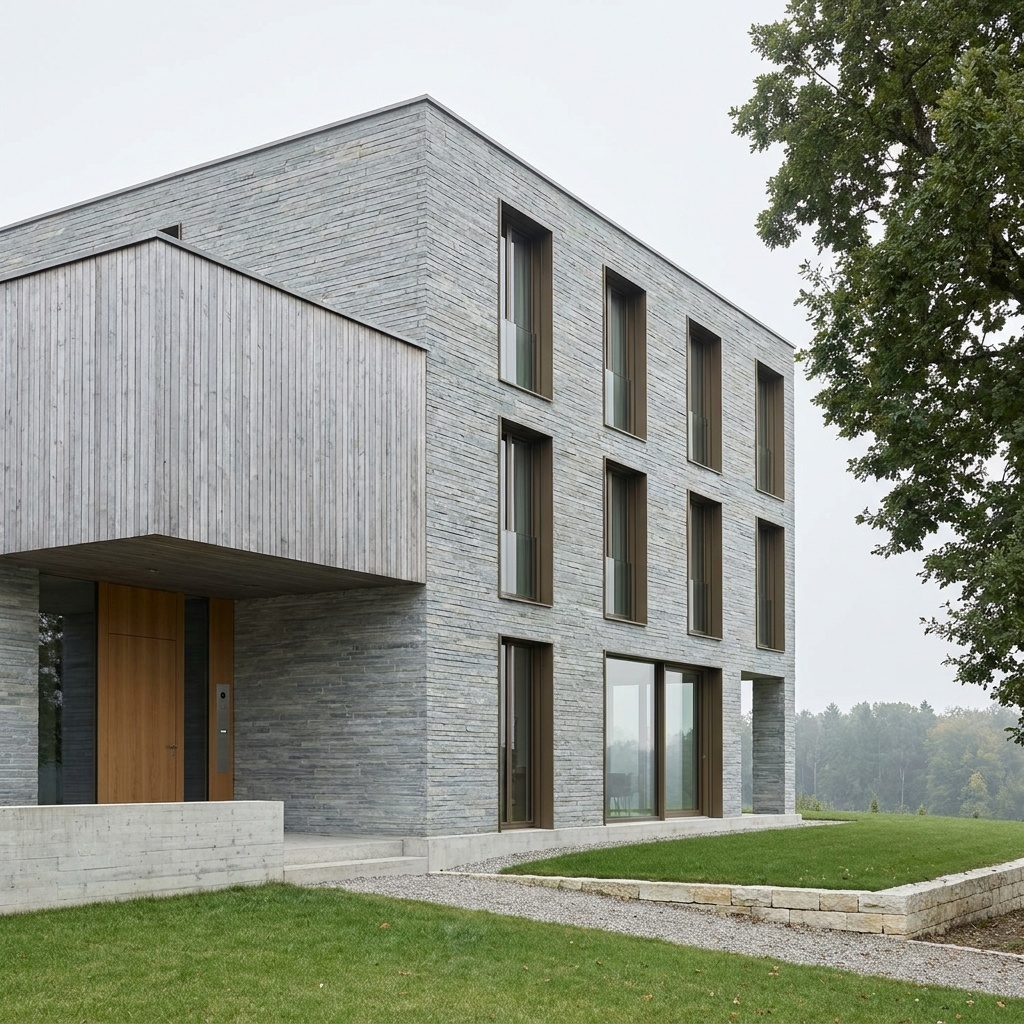
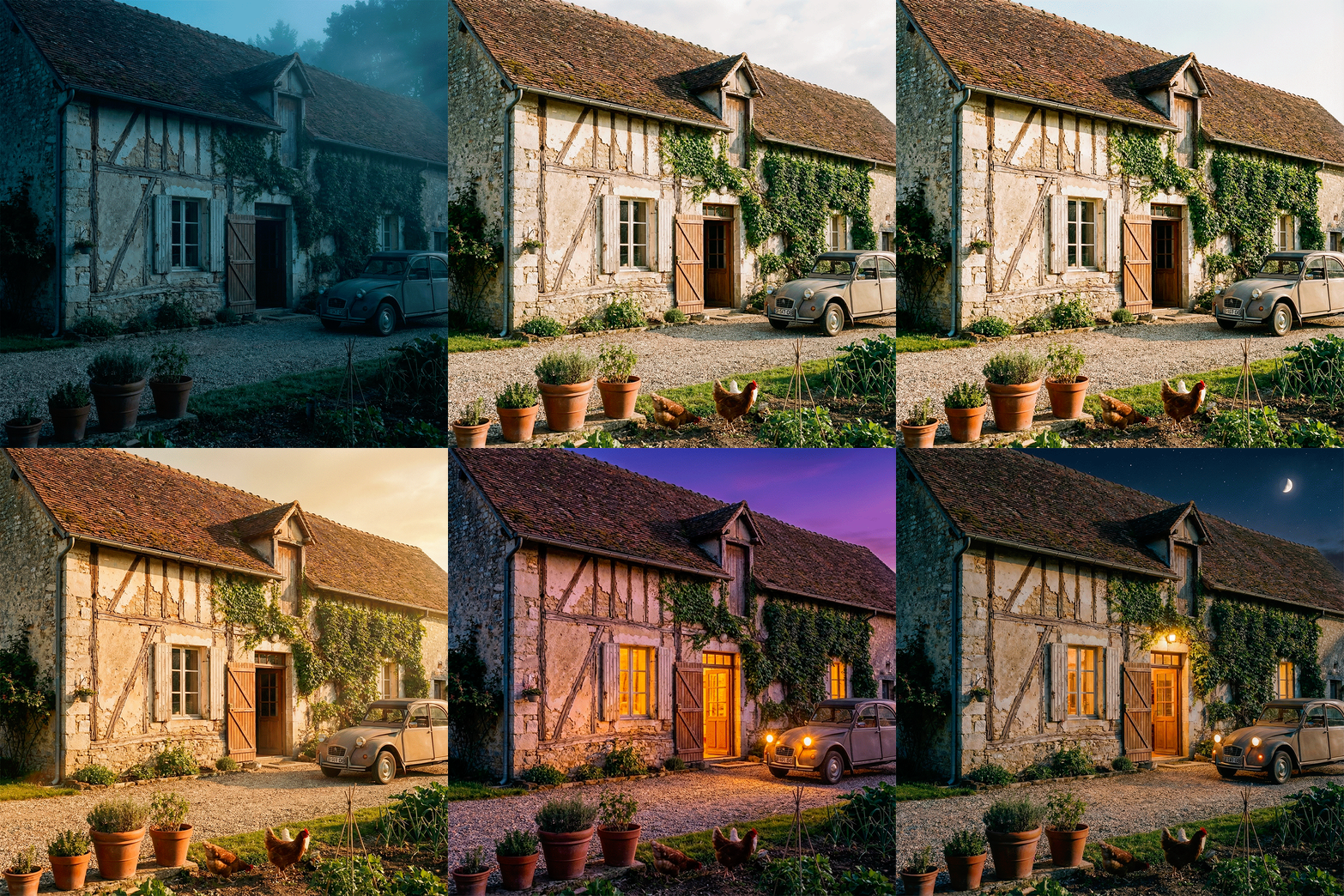
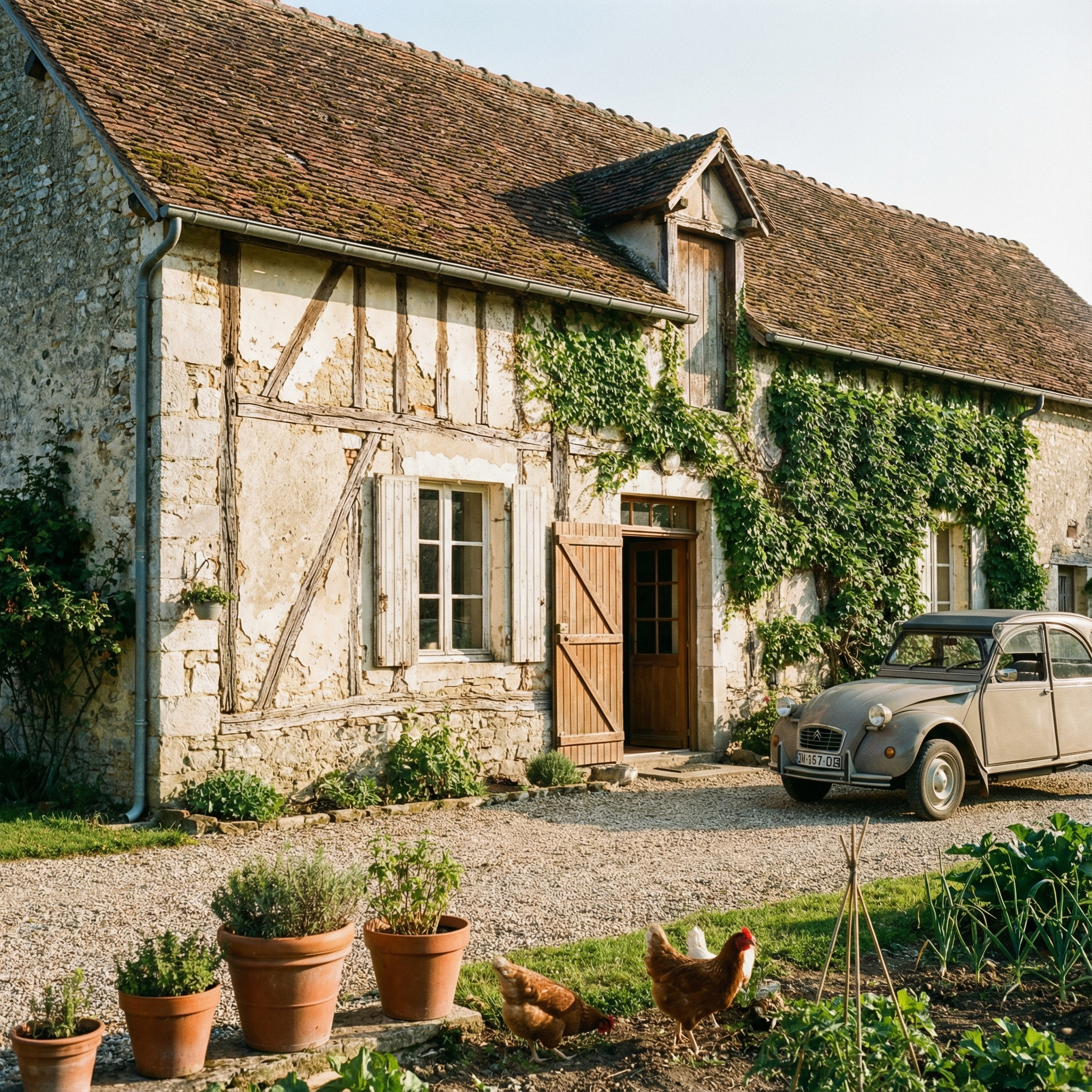
Turns a 3D view into painterly architectural concept art, the kind of atmospheric image that opens a pitch or tells the story of a project before its details are fixed. The building's geometry, opening positions and viewpoint are preserved; the CG look, the default sky and the plastic materials are repainted. The image is built around atmosphere. Dense aerial perspective layers the scene from foreground to background, the building is simplified to its silhouette and main material zones, the sky gets painted cloud volume, vegetation becomes loose masses, and optional foreground silhouettes (trees, distant figures, water) add depth. Brushwork stays visible at the right scale, shadows turn cool under warm light, and the palette stays restrained: emotional, never saturated or cartoonish. Light depends on what you provide. Without a reference, the default is a soft overcast light. With an optional mood reference, such as a photograph, a painting or a film still, the model takes its palette, light quality and weather (golden hour, blue hour, storm) without importing its subject. That makes it easy to explore several moods for the same view, or to align a series with a client's reference board. Architectural concept art is useful early: a first client meeting, a fundraising deck, competition storytelling, a vision image for a masterplan. It conveys the feeling of a place when a photoreal render would invite questions about details nobody has designed yet.
When to use it
A studio is pitching a hotel on a rocky coastline to an investor. The scheme exists only as a rough SketchUp massing, far too early for photoreal. The team pairs a viewport screenshot with a stormy seascape photograph as the mood reference, then runs it again with a golden-hour reference. Two concept images open the deck, the investor reacts to the atmosphere of the place, and the details stay open for the design phase.
The template has no light selector: without a reference it uses soft overcast light. For golden hour, blue hour or a storm, add a mood reference with that light; the model takes the atmosphere, not the subject.
Yes. Geometry, openings and viewpoint are preserved. The building is simplified to its main volumes and material zones, as a concept artist would paint it, but it is not redesigned.